×
![Modal Image]()

When Apple unveiled Vision Pro at WWDC 2023, we saw more than a new device. We saw an opportunity to rethink how people experience art digitally. Until then, even the most advanced digital art experiences were still framed by screens. They could be interactive, beautiful, and technically sophisticated, but the viewer and the artwork remained separated by glass. For a medium so deeply tied to presence, scale, movement, and atmosphere, that limitation mattered.
At the time, our team was already exploring the relationship between art and technology through Kaleido, a platform connecting artists, collectors, galleries, and art enthusiasts. We had experimented with augmented reality, digital storytelling, and ways to bring physical and digital art closer together. Vision Pro felt like a natural evolution of that work, but also a much bigger challenge. The goal was not simply to bring Kaleido to a new platform, but to understand what kind of art experience truly belonged in spatial computing.
With limited documentation, scarce hardware access, and few established conventions, the uncertainty around Vision Pro became part of what made the project compelling. It pushed us to think from first principles rather than adapt familiar interface patterns. That exploration became Art Universe: a visual art experience featured by Apple, rated 4.9 stars by hundreds of users, and launched among the first wave of native visionOS applications. But the real story is not about ratings or App Store recognition. It is about what we learned while building for a medium where digital experiences are no longer confined to screens, and where the best technology often disappears into the experience.
.png)
The origins of Art Universe began long before Vision Pro.
Through Kaleido, we had already spent years building tools and experiences for the art world. Artists could showcase their portfolios, collectors could discover new work and galleries could reach broader audiences through digital channels. Alongside the platform itself, we experimented extensively with augmented reality, using digital layers, animations, and contextual information to expand the experience of physical artwork.
Those experiments were meaningful, but they consistently revealed the same limitation: no matter how immersive the content became, users were still experiencing it through a screen. The device remained a barrier between the viewer and the artwork.
Vision Pro offered a different possibility. For the first time, digital content could occupy the same physical environment as the user. Art no longer had to live behind glass or inside a display. It could exist in the room itself.
That realization led us to rethink what we were building.
Rather than creating a simple Vision Pro version of Kaleido, we decided to create something more focused. Art Universe would become a curated destination for premium artistic experiences. While Kaleido was designed to support a broad community of creators, Art Universe would showcase a carefully selected roster of artists whose work embraced innovation, experimentation, and artistic excellence.
Internally, we often described it as the crown jewel of the broader ecosystem.
The ambition was not to build the largest digital gallery. It was to create the most compelling artistic experience possible on Apple's new platform.
(1).png)
Vision Pro was a natural platform for Art Universe because it changed the relationship between people and digital content. Instead of interacting through screens, taps, or cursors, users could engage more directly through their eyes, hands, and physical surroundings.
That shift was especially meaningful for art. Art is emotional, spatial, and sensory; it depends on proximity, movement, scale, and atmosphere. Vision Pro made it possible to experience digital artwork in ways traditional devices could not — by walking around sculptures, placing pieces in a real room, or becoming surrounded by visual storytelling.
The timing also mattered. Spatial software was still largely undefined, with few established conventions or patterns to follow. For Amplified, that uncertainty was part of the opportunity. It allowed us to approach Art Universe from first principles rather than simply adapting ideas from mobile and web.
One of the first questions we had to answer was simple, but important: how immersive should art actually be?
With Vision Pro, the temptation was to use every capability available — immersive environments, three-dimensional interfaces, hand tracking, spatial audio, depth, motion, and new interaction models. Early prototypes leaned in that direction, adding more movement, effects, interactions, and layers of immersion.
But we quickly learned that immersive does not always mean meaningful. In some cases, the technology began competing with the artwork. Users noticed the effects and appreciated the interactions, but their attention moved away from the art itself.
That changed our approach - the artwork had to remain the hero. Interactions, environments, animations, audio, and spatial effects needed to support the experience, not overpower it. Some parts of Art Universe became deeply immersive, while others stayed intentionally restrained. Browsing remained approachable, information stayed easy to access, and purchasing prioritized clarity over novelty.
The goal was never to show everything Vision Pro could do. It was to help people engage more deeply with art.
Building for a new platform meant working with very few established rules. There was little precedent for how people would behave inside spatial experiences, so direct observation became essential.
Throughout development, we watched users interact with prototypes and paid close attention not only to what they said, but to what they tried to do instinctively. Those moments often revealed the clearest insights about what felt natural in spatial computing.
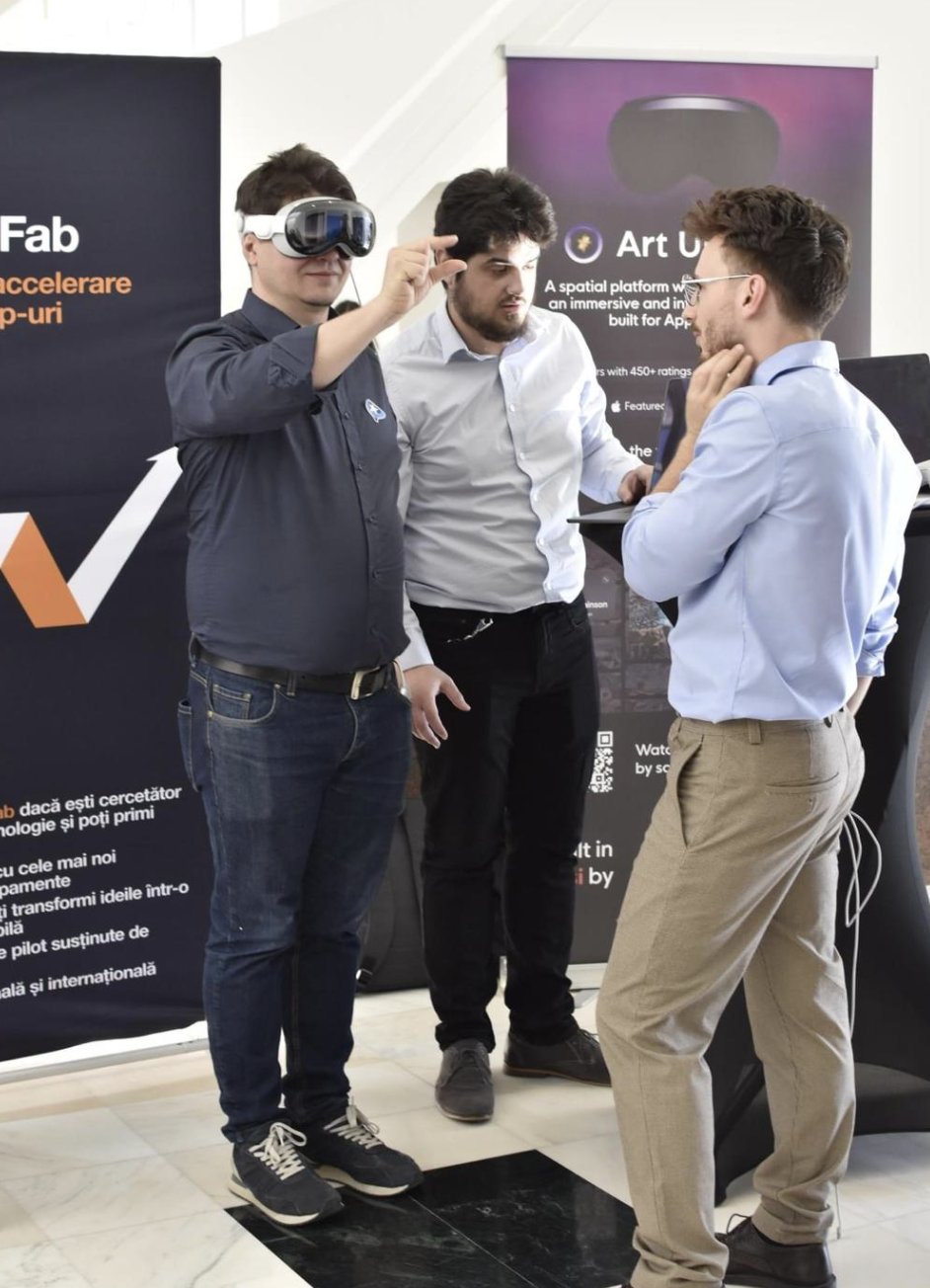
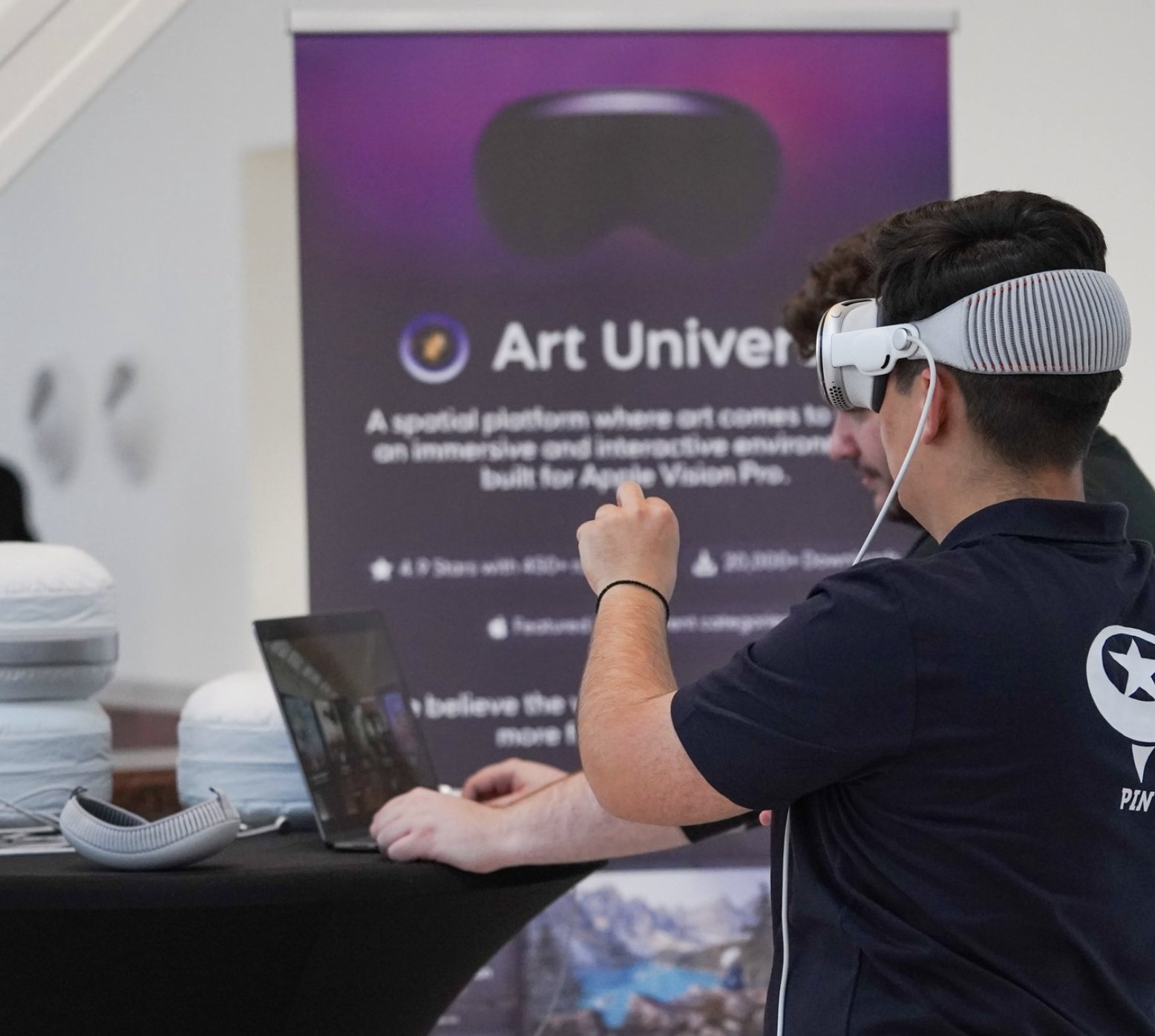
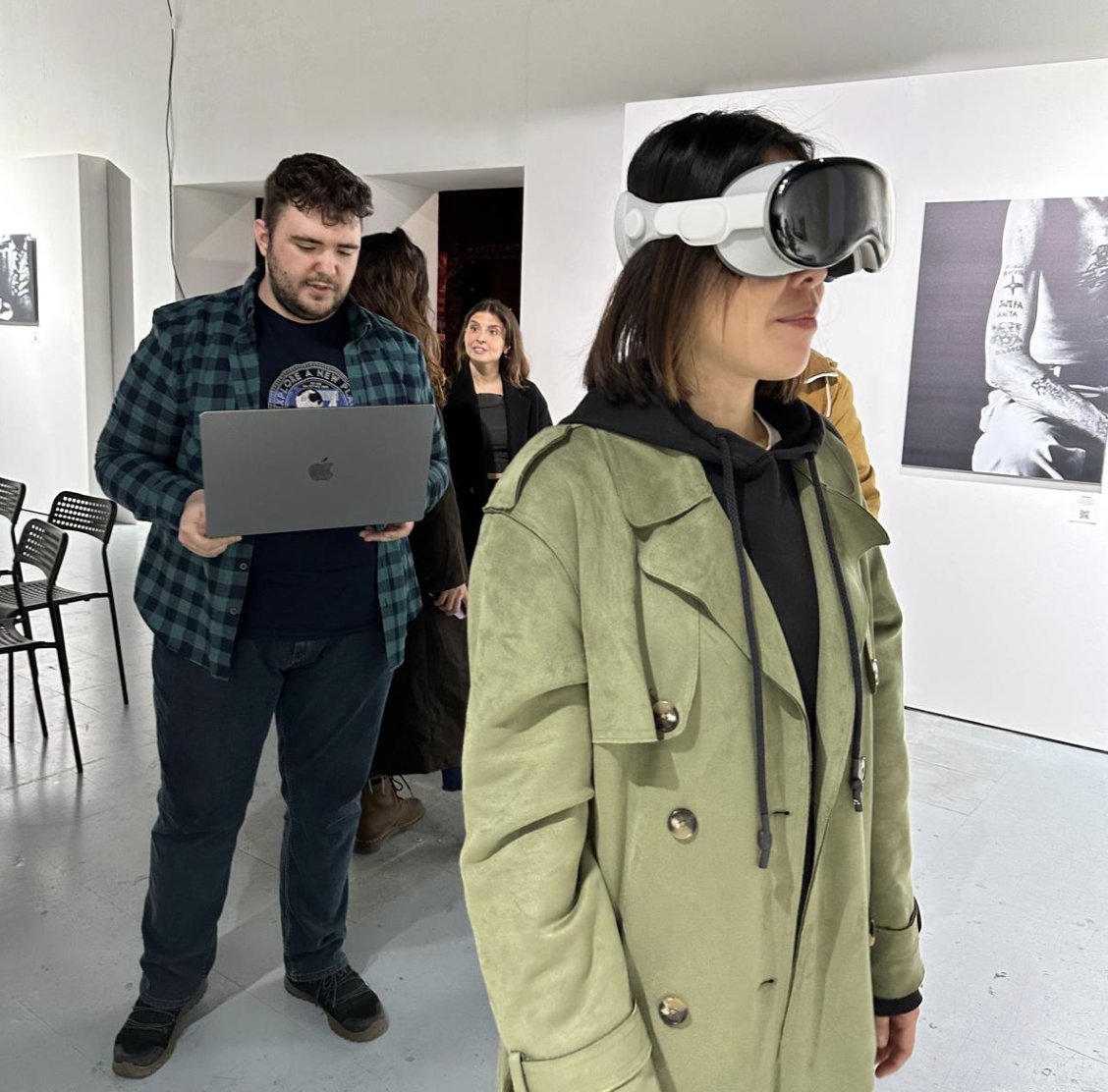
One of the clearest examples was Art Waterfall, which eventually became one of Art Universe’s defining experiences. The feature presented artwork in a cascading spatial arrangement, inviting users to explore in a way that felt very different from traditional galleries, websites, or mobile apps.
At first, it felt risky. It did not fit neatly into existing interface conventions, and there were real questions about whether users would understand it. But once people started trying it, the reaction was consistent: they explored it naturally, moved through it intuitively, and engaged with the artwork despite the novelty of the format.
What initially seemed experimental became one of the most recognizable parts of the app. It also reinforced an important lesson: when building for a new platform, users often reveal interaction patterns that designers and engineers may not anticipate.
As Art Universe matured, it became a collection of experiences that explored different dimensions of spatial computing while staying focused on artistic engagement.
Users could browse artwork through immersive spatial layouts, receive contextual guidance from Aura, the platform’s AI-powered guide, explore interactive sculptures in 3D, and discover educational content about influential artists. They could also step into immersive environments built around specific artistic narratives.
Other experiences pushed spatial computing even further: street art features allowed users to virtually teleport to real-world locations, while collectors could place artwork on their own walls at true scale before making a purchase decision.
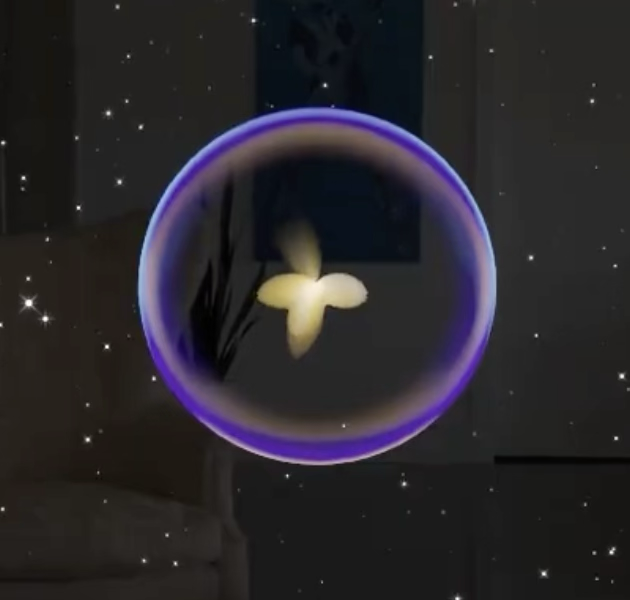
The ability to place artwork on a wall at true scale proved especially powerful. For collectors, one of the hardest parts of purchasing art has always been imagining how a piece will feel within a real space. Dimensions on a website or photos on a screen rarely provide enough context.
By allowing users to see artwork at full scale in their own homes, Art Universe turned that act of imagination into a direct experience. The technology was impressive, but its value came from solving a real problem.
That became a recurring principle throughout the project: the strongest experiences were not the ones that showcased technology most aggressively, but the ones where technology quietly made something possible that traditional formats could not.
One of the most unique aspects of the project was the opportunity to engage directly with the people shaping the platform itself.
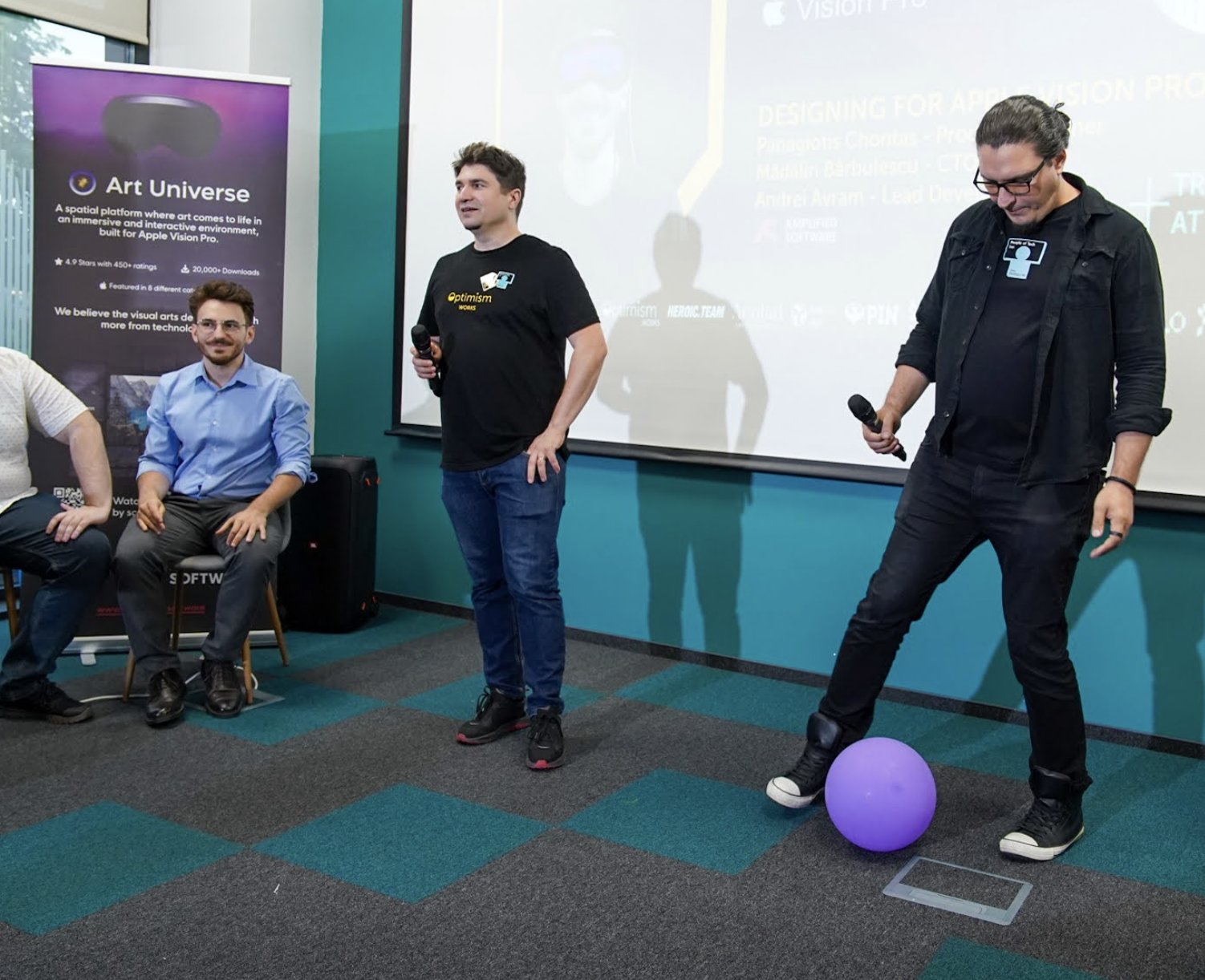
Over the course of development, members of our team attended Apple Developer Labs in Singapore, Munich, London, and Cupertino. These sessions provided invaluable opportunities to test prototypes on real hardware, validate assumptions, and receive direct feedback from Apple's engineers, designers, and developer relations teams.
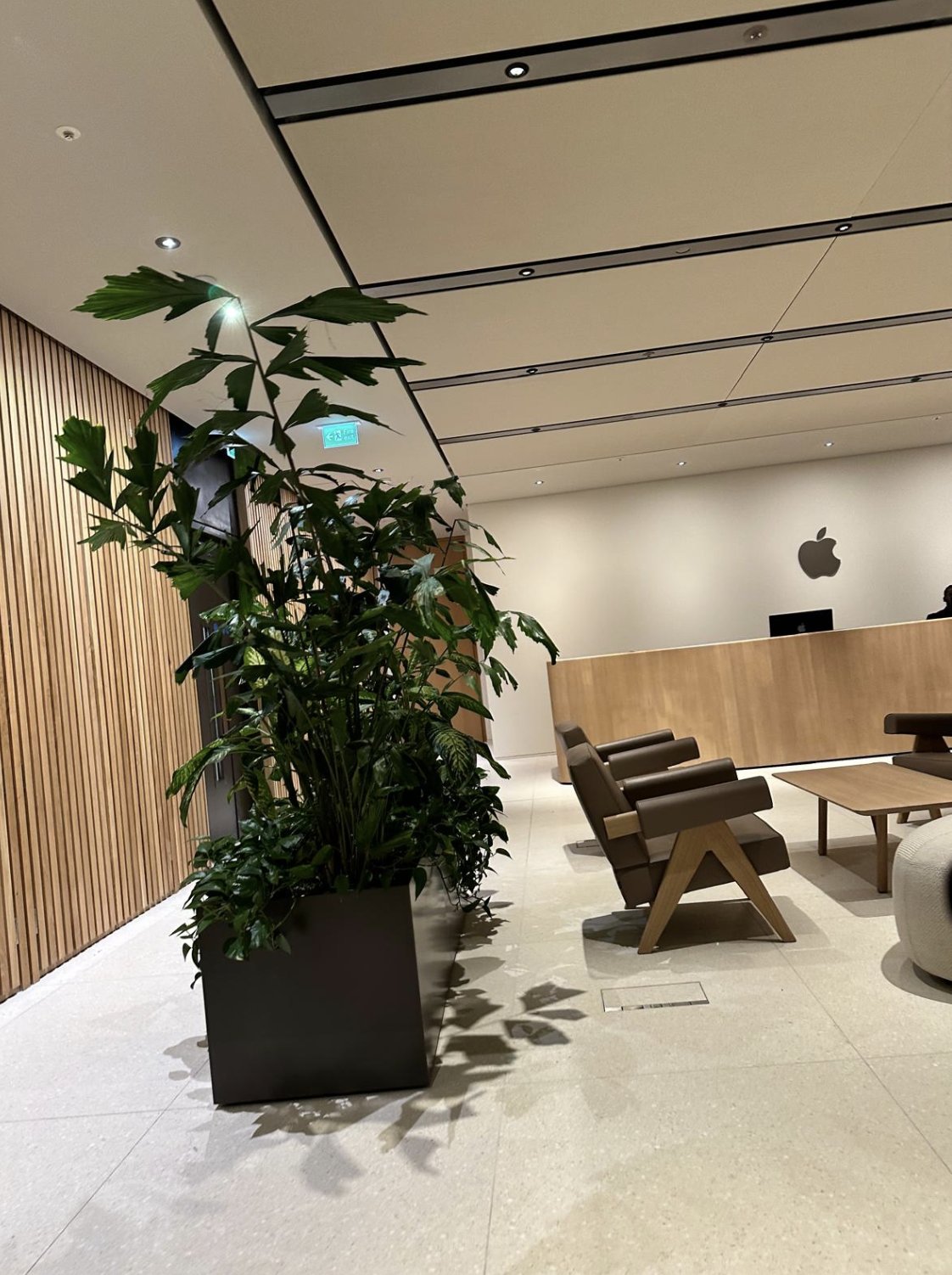
Those sessions helped shape the final experience, but the most defining moment came during our first hands-on session with Vision Pro.
The anticipation was high, but the real impact came once we used the device. The display quality, responsiveness of the interaction model, tracking accuracy, and overall coherence of the experience felt unlike anything we had tested before.
It was one of those rare moments where a technology feels less like an iteration and more like the beginning of something new. That experience strengthened our conviction that Art Universe was worth pursuing.
Looking back, several lessons became clear early on. Spatial UX requires restraint: users responded best when technology amplified the artwork rather than drawing attention to itself. Onboarding also mattered more than expected, because users were not only learning a new app, but an entirely new computing paradigm.
We also learned that performance and comfort are not just engineering concerns. Motion, scale, placement, responsiveness, and frame rate directly shape how users feel inside a spatial experience, making them product decisions as much as technical ones.
Most importantly, Art Universe reinforced a belief we still hold at Amplified: emerging technologies create value only when they serve a meaningful user experience. Building for Vision Pro required product thinking, design discipline, technical experimentation, artistic sensitivity, and close collaboration between engineers, designers, artists, and Apple. There was no established playbook, and that is exactly what made the project so rewarding.
By the time Art Universe launched, many of the foundational product questions had been answered. We had developed a clearer understanding of how people wanted to experience art in spatial environments and what role technology should play in that relationship.
But solving the product challenges was only the beginning.
Behind every elegant interaction sat a much harder engineering problem. High-fidelity artwork had to be rendered efficiently. Complex 3D assets had to perform reliably on a wearable device. Spatial interfaces needed to feel natural while remaining technically robust. New interaction patterns had to be invented, tested, refined, and optimized.
In Part II, we explore the engineering journey behind Art Universe - from RealityKit and ARKit to Gaussian Splats, custom spatial interfaces, performance optimization, and the technical decisions that transformed an ambitious idea into one of the leading art experiences on Apple Vision Pro.